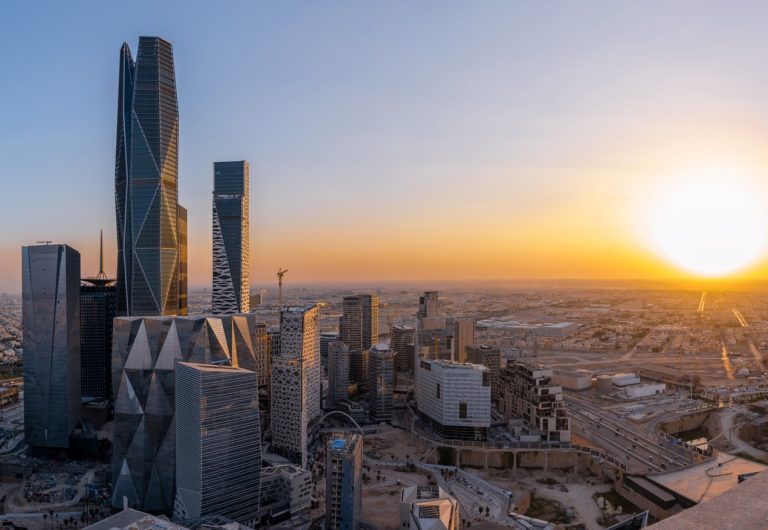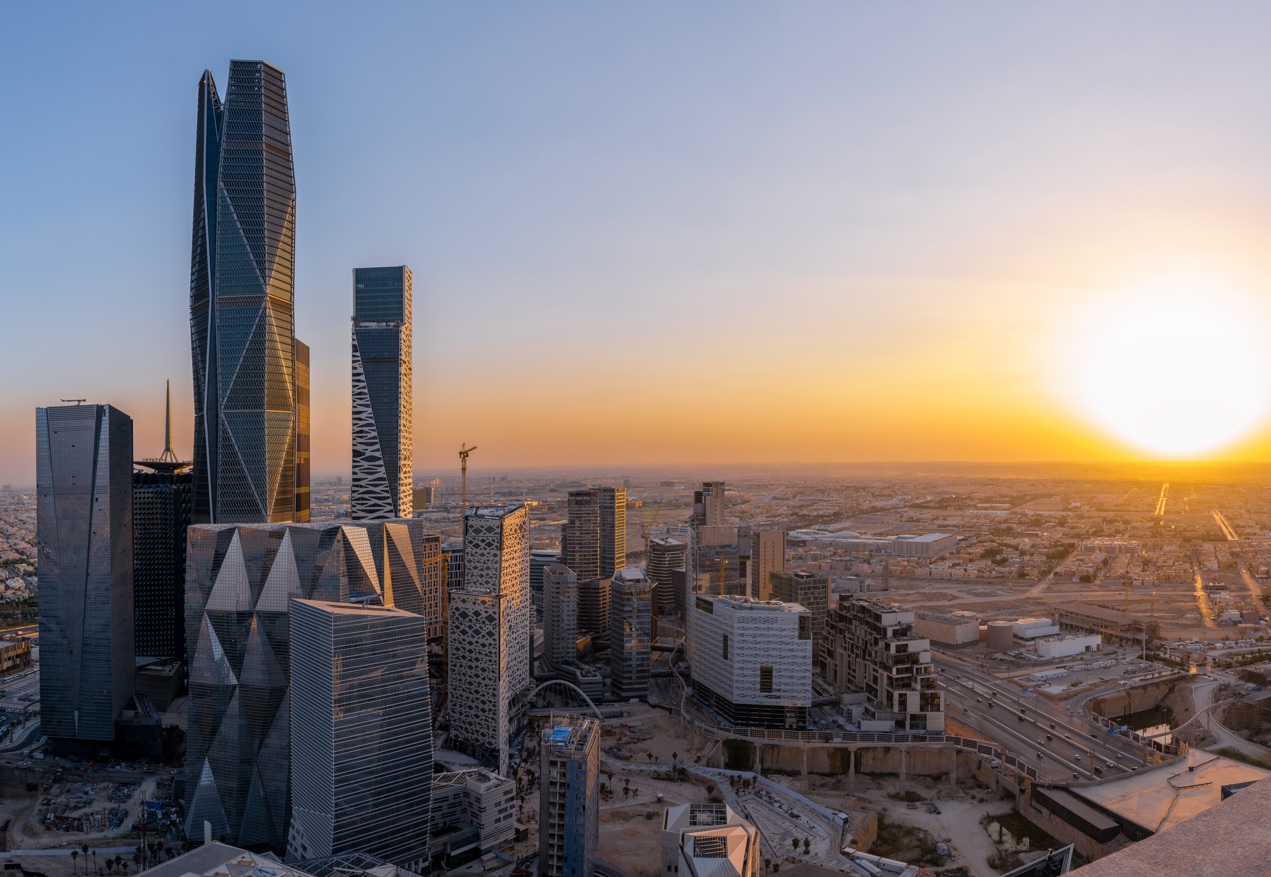
Investment attention has a way of following momentum, but the growing interest in Saudi Arabia and the United Arab Emirates reflects something deeper than a temporary market trend. Both countries are reshaping their economies, strengthening financial infrastructure, and positioning themselves as important hubs for international business. As global investors look beyond traditional markets for diversification and long-term opportunities, the Gulf is becoming increasingly difficult to overlook.
Saudi Arabia and the UAE are taking different approaches, yet both share a broad ambition: reduce reliance on traditional sources of economic growth while developing competitive industries for the future. Large-scale infrastructure projects, technology investment, financial-market reforms, tourism development, and international partnerships are changing the investment landscape. For investors, that creates an environment where established sectors and emerging opportunities can exist side by side.
Economic Transformation Is Changing the Investment Landscape
Saudi Arabia’s economic transformation is closely associated with Vision 2030, an extensive reform program designed to diversify the country’s economy and increase private-sector participation. While energy remains important, the country is developing opportunities across tourism, logistics, entertainment, technology, manufacturing, renewable energy, and financial services. The scale of this transformation has encouraged international companies and investors to examine Saudi Arabia not simply as an energy market, but as a broader economic growth story.
The UAE has followed a somewhat different path, building on its established position as a commercial and financial centre. Dubai and Abu Dhabi have attracted international businesses through strong infrastructure, connectivity, business-friendly policies, and an increasingly sophisticated financial ecosystem. The UAE’s diversification into technology, aviation, logistics, real estate, tourism, financial services, and clean energy has helped create multiple channels through which international capital can participate in the country’s economic development.
This transformation also aligns with a broader shift recognised by international financial institutions and investment professionals. Investors increasingly assess markets according to factors such as economic diversification, regulatory development, infrastructure quality, access to capital, and potential long-term growth. Saudi Arabia and the UAE have made visible progress in several of these areas, although investors still need to consider market-specific risks, valuation, liquidity, and geopolitical conditions before committing capital.
Strategic Location Gives Both Markets an Advantage
Geography is another reason the two countries attract international attention. The UAE sits at the crossroads of major trade routes connecting Asia, Europe, and Africa. Its airports, ports, logistics networks, and financial centres support its role as a regional gateway for multinational businesses. This strategic position creates investment opportunities not only within the domestic economy but also in companies and industries serving wider regional demand.
Saudi Arabia’s geographic importance is equally significant. As the largest economy in the Gulf region and home to a substantial domestic market, the country has considerable influence over regional commerce. Its location between major markets in Asia, Europe, and Africa also supports ambitions to expand logistics, transportation, manufacturing, and supply-chain infrastructure. Investments in ports, industrial zones, transportation networks, and related services can therefore have implications well beyond individual projects.
For international investors, this regional connectivity can make the Gulf particularly interesting. Companies operating in Saudi Arabia or the UAE may have access to expanding consumer markets and business networks across the Middle East and beyond. That does not guarantee returns, but it adds a strategic dimension to investment analysis. Instead of viewing either country in isolation, investors can consider how its infrastructure and business environment fit into wider regional economic development.
Financial Markets Are Becoming More Accessible
Another important factor is the development of local financial markets. Saudi Arabia’s capital-market reforms have increased its integration with international investment networks, while the UAE has continued developing exchanges and financial centres capable of serving institutional and international investors. Greater transparency, improved market infrastructure, and regulatory modernisation can make local markets easier for global participants to evaluate and access.
Investors researching opportunities should still carry out careful due diligence. Market access, taxation, ownership rules, currency considerations, corporate governance, liquidity, and regulatory requirements can differ significantly between jurisdictions and asset classes. An investor considering equities, funds, private businesses, real estate, or infrastructure should understand the specific rules governing the investment rather than assuming that regional similarities mean identical conditions.
Reliable information is therefore essential. Investors can begin with regulatory authorities, stock exchanges, company disclosures, and established financial institutions before moving toward a specific opportunity. When researching a brokerage or investment platform, checking its official site can also help investors review available services, regulatory information, market access, and other relevant details directly rather than relying exclusively on third-party commentary.
Conclusion
Saudi Arabia and the UAE are drawing greater attention because their economies are evolving while their strategic importance remains firmly established. Saudi Arabia offers the scale and ambition of a major economic transformation, while the UAE combines established global connectivity with continued diversification and innovation. Together, they represent an increasingly important part of the international investment landscape.
For global investors, the opportunity is not simply about finding the next popular market. It is about understanding how structural economic changes can create opportunities across industries, while recognising the risks that accompany rapid development. Careful research, sensible diversification, and a long-term perspective can help investors evaluate what the Gulf’s transformation may mean for their portfolios.
About the Author