Smart decisions separate thriving companies from struggling ones. As organizations face mounting pressure to act quickly and accurately, many are turning to technology for support. AI business tools have emerged as a powerful way to cut through complexity, helping leaders make confident choices backed by data rather than gut instinct alone. From forecasting market shifts to identifying operational inefficiencies, these solutions are reshaping how strategy gets built and executed.
How Do AI Tools Improve Business Decision-Making?
AI tools process vast amounts of information far faster than any human team could. They analyze historical data, spot patterns, and generate actionable recommendations in real time. According to McKinsey’s 2023 State of AI report, 40% of organizations plan to increase their AI investment specifically because of its impact on decision quality.
These platforms reduce the guesswork that often clouds executive choices. Instead of relying on assumptions, leaders can review predictive models that highlight likely outcomes. This shift toward evidence-based decisions lowers risk and increases the speed at which companies respond to change.
What Types of Tools Support Strategic Planning?
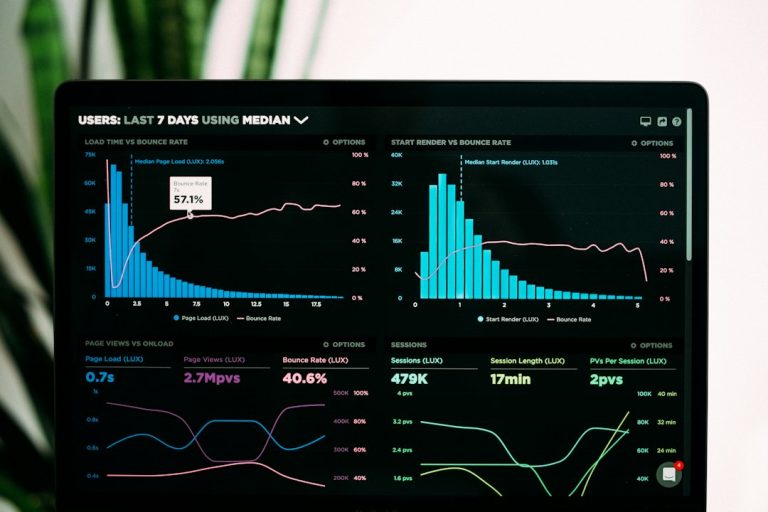
Several categories of tools play a role in shaping strategy. Business intelligence platforms like Tableau and Power BI transform raw numbers into clear visual dashboards. Predictive analytics tools forecast demand, customer behavior, and revenue trends. Meanwhile, automation platforms handle repetitive analysis, freeing teams to focus on higher-level thinking.
A 2022 PwC survey found that 86% of executives consider artificial intelligence a mainstream technology within their companies. This widespread adoption reflects how central these solutions have become to long-term planning and competitive positioning.
Can These Tools Really Increase Profitability?
The financial case is compelling. Research from Deloitte shows that companies using advanced analytics are twice as likely to be in the top quartile of financial performance within their industries. By reducing waste, optimizing pricing, and targeting the right customers, these tools directly affect the bottom line.
Consider supply chain management. Predictive models can forecast inventory needs with remarkable accuracy, cutting storage costs while preventing stockouts. The result is leaner operations and stronger margins.
Which Departments Benefit Most From AI Adoption?
Nearly every function gains value, but some see faster returns than others. Marketing teams use these tools to personalize campaigns and measure performance. Finance departments rely on them for risk assessment and fraud detection. Operations leaders apply them to streamline logistics and reduce downtime.
A Salesforce study revealed that high-performing sales teams are 4.9 times more likely to use artificial intelligence than underperforming ones. This statistic underscores how adoption correlates with measurable success across business units.
What Should Companies Consider Before Implementation?
Adoption requires careful planning. Data quality matters most—poor inputs lead to unreliable outputs. Organizations should also assess their existing infrastructure and ensure teams have the skills to interpret results correctly.
Gartner predicts that through 2025, 80% of executives believe automation can be applied to any business decision. While the potential is enormous, success depends on clear goals and realistic expectations. Starting with a focused pilot project often delivers better results than attempting company-wide rollout overnight.
How Quickly Can Businesses See Results?
Timelines vary based on complexity and readiness. Some companies report measurable improvements within weeks of deployment, particularly in areas like automated reporting and customer insights. More complex strategic applications may take several months to mature.
The key is consistent measurement. Tracking specific metrics—such as decision speed, cost savings, or revenue growth—helps organizations understand the true return on their investment and refine their approach over time.
Building a Smarter Strategy for the Future
The competitive advantage offered by intelligent technology continues to grow. Companies that embrace these solutions position themselves to respond faster, plan smarter, and outperform rivals who hesitate. The data speaks clearly: organizations investing in analytical capabilities consistently report stronger performance and greater agility.
To get started, identify one decision-making challenge where better data could make a meaningful difference. Choose a tool that addresses that specific need, set clear success metrics, and build from there. Strategic transformation rarely happens overnight, but each well-informed choice moves your organization closer to lasting success.
About the Author