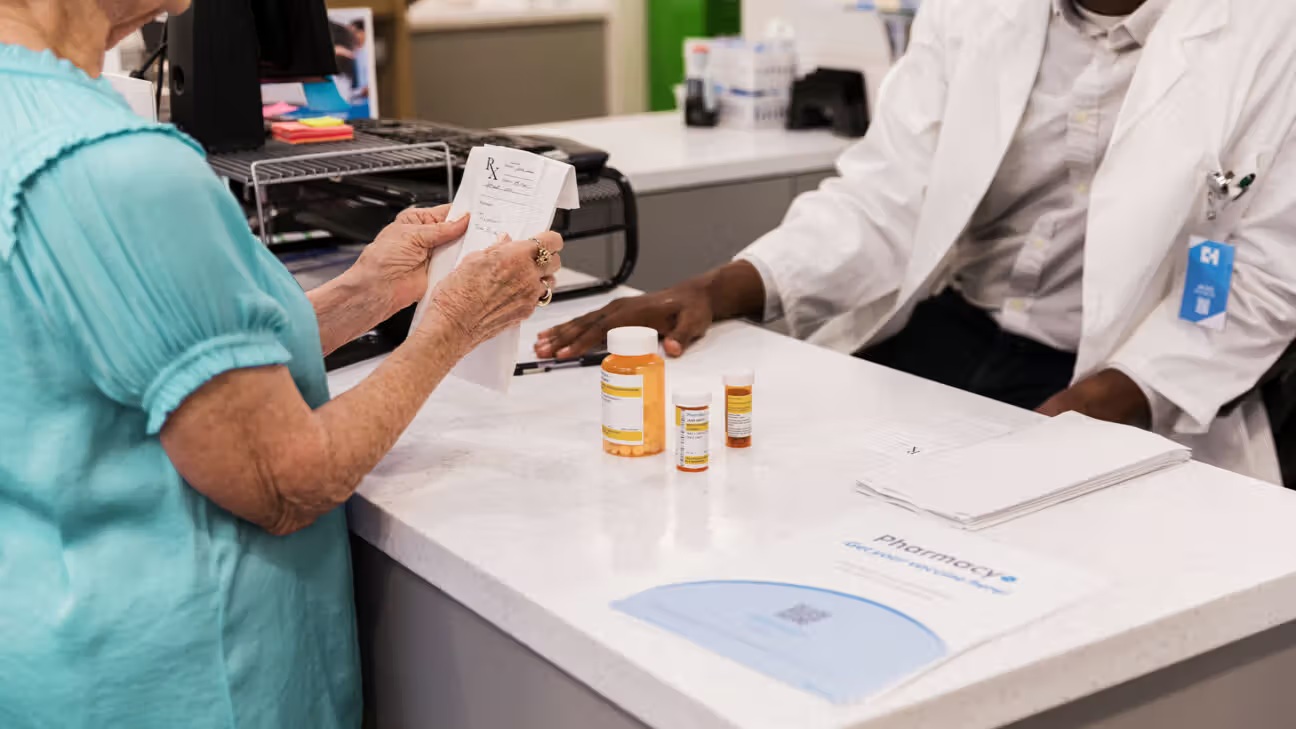
Prescription medication costs have been rising steadily over the past decade. According to recent healthcare data, over 45% of adults report difficulty affording their medications. Drug cards that offer reliable discounts help bridge this gap, making essential treatments more accessible. By reducing out-of-pocket expenses, drug card programs enable patients to adhere to prescribed treatments without financial stress, improving overall health outcomes.
How Much Can Patients Save with a Drug Card?
Savings are one of the most significant benefits of using a drug card. Studies indicate that users of discount programs can save between 20% and 80% on certain prescription medications. For chronic conditions such as diabetes or hypertension, these savings can amount to hundreds of dollars per year. The reliability of these discounts ensures that patients can plan their budgets more effectively while still obtaining necessary medications.
What Makes a Drug Card Reliable?
Reliability in a drug card program is determined by consistent savings, transparency, and wide pharmacy acceptance. Research shows that patients are 60% more likely to use a discount program that is widely accepted and clearly explains how the savings are calculated. A dependable drug card provides clear instructions, no hidden fees, and trusted partnerships with major pharmacies, ensuring that users experience the promised discounts every time they fill a prescription.
Can Drug Cards Improve Medication Adherence?
High medication costs are a leading cause of non-adherence. According to healthcare statistics, approximately 25% of patients skip doses or delay prescriptions due to expense. Reliable drug cards reduce the financial burden, directly impacting adherence rates. Studies reveal that patients using discount programs are up to 30% more likely to take medications as prescribed. Improved adherence can prevent complications, reduce hospital visits, and enhance overall health outcomes.
Why Is Accessibility Important for Drug Card Programs?
Accessibility plays a crucial role in the effectiveness of drug card programs. Statistics indicate that programs available at a large network of pharmacies increase usage by over 50%. Drug cards that are easy to obtain, simple to use, and accepted nationwide ensure that patients can access discounts conveniently. Digital integration, such as mobile apps or printable cards, further improves accessibility, making it easier for users to benefit from the program regardless of location.
How Do Patients Choose the Right Drug Card?
Selection depends on factors such as coverage, savings potential, and ease of use. Surveys show that 70% of patients compare multiple programs before enrolling, prioritizing those with predictable discounts and broad pharmacy networks. Reliable drug cards provide clear, verifiable data on savings for common prescriptions, helping patients make informed decisions and avoid surprises at the pharmacy counter.
What Role Does Transparency Play in Trusting a Drug Card?
Trust is built through transparency. Users need clear information on which medications are covered, potential exclusions, and how discounts are calculated. Research indicates that transparent programs see up to 40% higher user satisfaction and repeat usage. Drug cards that offer detailed information, straightforward instructions, and responsive customer support foster trust and long-term engagement from users.
Conclusion: Why Consider a Reliable Drug Card?
Statistical evidence confirms that reliable drug cards reduce out-of-pocket costs, improve medication adherence, and enhance patient satisfaction. By combining consistent savings, wide accessibility, and transparent processes, these programs provide an effective solution for managing prescription medication expenses. For patients seeking to optimize healthcare affordability and access, a trusted drug card offers measurable benefits and long-term value.
About the Author